WSF awards $150 million contract to Vigor to convert three ferries to hybrid-electric
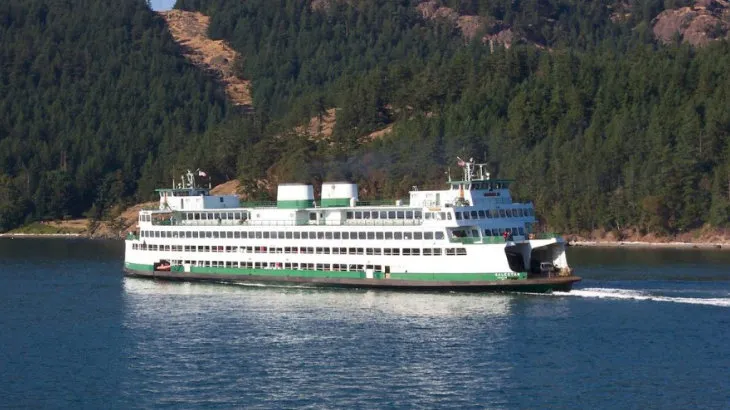 Image credit: Washington State Ferries
Washington State Ferries (WSF) has awarded its first shipyard contract to Vigor for the conversion of up to three Jumbo Mark II-class ferries to hybrid-electric power. This contract is for conversion of two vessels at approximately $100 million with a fixed-price option to convert the third vessel in 2025.
While converting WSF’s largest ferries to hybrid-electric power, Vigor will also update aging propulsion system controls to extend the life expectancy of these vessels. The three vessels are experiencing equipment failures and replacement parts are often unavailable. This effort will increase reliability and ensure the Jumbo Mark IIs are available for decades to come.
This September, Vigor will start work on Wenatchee at its Harbor Island shipyard in Seattle. The ferry is expected to reenter service on the Seattle/Bainbridge route in the summer of 2024. Vigor will then begin converting Tacoma in 2024. WSF has the option to extend the contract to convert a third boat, Puyallup, in 2025.
This conversion project is the first step under WSF’s $3.98 billion electrification program, which involves:
- Retrofit of six current diesel ferries to hybrid electric.
- Building 16 new hybrid vessels
- Retirement of 13 diesel ferries.
- Adding charging power to 16 terminals.
Over the next 17 years, WSF will spend $3.7 billion to electrify or build new ferries and $280 million on terminals. So far, WSF has received $1.34 billion, with $1.03 billion from the 2022 Move Ahead Washington transportation package. This state funding builds on over $40 million in competitive grants.
WSF is the largest ferry system in the U.S. and the biggest contributor of greenhouse gas emissions among Washington state agencies, burning 19 million gallons of diesel fuel to support tens of millions of passengers every year. This shift to hybrid-electric ferries comes in response to direction from Gov. Jay Inslee and the Washington Legislature, and aligns with WSF’s Long Range Plan to achieve zero emissions by 2050.
Following a competitive process among Washington shipbuilders, Vigor’s winning bid was just over $150 million. The second bid came in at approximately $166 million. The state’s estimate was approximately $120 million.
Source: Washington State Ferries