CalSTA announces TIRCP and State Rail Assistance program grants
 Image credit: CalSTA
As Governor Gavin Newsom and the California delegation take the Golden State’s clean transportation leadership to Türkiye for the United Nations climate conference, COP31, the Governor announced nearly $1.3 billion to protect passenger rail service, expand clean transportation and make everyday trips easier for Californians.
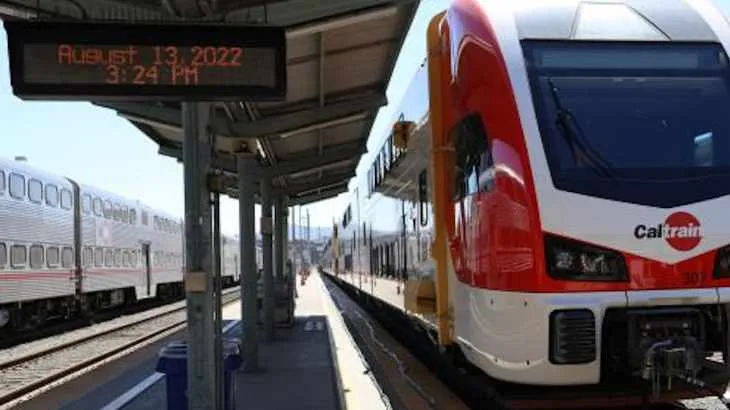
The 28 awards are through the California State Transportation Agency’s Transit and Intercity Rail Capital Program (TIRCP) and State Rail Assistance program and help prevent major Metrolink service cuts in Southern California, advance Caltrain’s extension into downtown San Francisco and bring more than 75 zero-emission buses and smaller transit vehicles to communities across the state.
In the Bay Area, a $750 million investment will advance The Portal, a major project that will extend Caltrain approximately two miles from Fourth and King streets into downtown San Francisco. Led by the Transbay Joint Powers Authority, the project will connect Caltrain to the Salesforce Transit Center, creating a major regional transit connection and establishing the future San Francisco terminus for California high-speed rail. The state’s investment builds on local and regional funding commitments as the project advances through the Federal Transit Administration’s Capital Investment Grant program.
Other projects expanding transportation connections across California include:
- Central Valley: Modernizing transit facilities and introducing battery-electric buses in Kings County to connect communities to future high-speed rail service, while expanding zero-emission micro-transit options in Merced County.
- Sacramento Region: Adding 21 hydrogen fuel cell electric buses to support increased service between Sacramento and Davis.
- Central Coast: Advancing rail infrastructure improvements needed to bring passenger rail service to Salinas and supporting transit facility improvements in Santa Cruz County.
- Bay Area: Adding a second main track through Fremont and Newark to improve Altamont Corridor Express (ACE) operations and advancing Caltrain’s battery-electric train pilot between San Jose and Gilroy.
- Southern California: Expanding local transit options in Ventura, Riverside and Los Angeles counties, including new fixed-route service, microtransit and zero-emission buses.
Additional projects will improve transit access at BART’s Ashby Station in Berkeley, expand e-bike share in Truckee, and improve pedestrian safety near Sonoma-Marin Area Rail Transit (SMART) tracks.
In Santa Monica, new battery-electric buses will complete the transition of the city’s Big Blue Bus fleet to all-electric vehicles. Additional zero-emission buses will serve communities in Sacramento, Kings County, Marin County and Montebello, while Merced County will expand cleaner microtransit options.
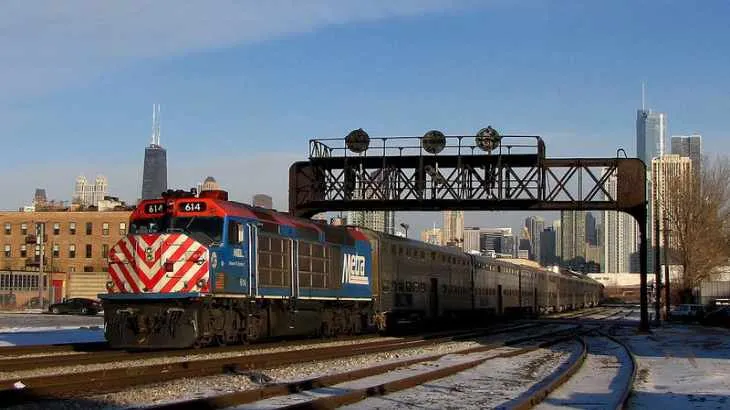
The awards will also make transit more convenient, including introducing tap-to-pay fares using a bank card or phone across Metrolink, improving access at Downtown Burbank Station and modernizing California’s statewide bi-level intercity passenger rail fleet.
Other projects include new track and safety infrastructure for Caltrain, pedestrian safety improvements at SMART’s Ward neighborhood rail crossing, and planning to improve service along the Los Angeles–San Diego–San Luis Obispo rail corridor ahead of the 2028 Olympic and Paralympic Games.
Nearly $1.3 billion will support 19 projects through the eighth cycle of TIRCP, which funds improvements to California’s intercity, commuter and urban rail systems, as well as bus and ferry transit systems.
Since 2015, TIRCP has awarded more than $12.7 billion to 171 projects statewide, supporting improvements that expand transit service, increase ridership, improve safety and reduce greenhouse gas emissions. An additional $66.5 million in State Rail Assistance funding will support eight projects that protect existing passenger rail service and improve rail safety, reliability, and operations.
Both programs receive funding through Senate Bill 1, the Road Repair and Accountability Act of 2017. TIRCP also receives funding through California’s Cap-and-Invest program and is part of California Climate Investments, which puts Cap-and-Invest dollars to work reducing greenhouse gas emissions, strengthening the economy and improving public health and the environment.
Source: CalSTA