MTA plans to upgrade aging subway audio systems, sets aside $800 million for new tech
 Image credit: MTA
The Metropolitan Transportation Authority is launching a major initiative to overhaul aging audio systems across the subway network to eliminate notoriously garbled and unintelligible station announcements. The project targets outdated amplifiers, speakers, and wiring infrastructure that frequently leave riders unable to understand critical train arrival updates, service changes, and safety instructions.
Officials expect the multi-phase technological overhaul to significantly improve communication clarity across underground platforms and inside older train cars, addressing a frequent commuter complaint.
The MTA put out a request to vendors for ways to modernize the transit system’s suite of communication technology, from audio announcements to digital displays to help-point kiosks. The agency has set aside $800 million in its construction plan for the new technology.
The MTA is seeking a new announcement system that has better “audibility, intelligibility, and relevance.” The request calls for a speaker and amplifier system that is "intelligent" and can adjust its volume based on the amount of noise on the platform. The agency also wants the public address system to be AI-assisted and capable of delivering messages in multiple languages.
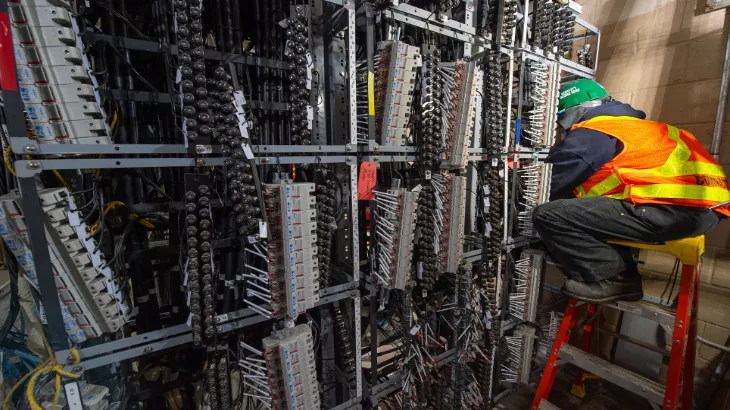
MTA planning documents show 76 of the subway’s 472 stations use audio systems that haven’t been updated in 40 years. Those stations aren’t connected to the rail control center, the nerve center of the subway system where dispatchers oversee service, so those stations can’t get automated, real-time alerts and updates about subway delays or issues. Announcements at those stations come directly from workers, who relay information they hear second hand from someone at the rail control center.
A modern system would give riders information sent directly to stations from the control center. The agency also wants new display screens that have “dynamic wayfinding” that include information on service changes, how many riders are on each train car, as well as personalized directions for people.
Source: NYMTA