Insights on Adoption of Technology by Transit Agencies
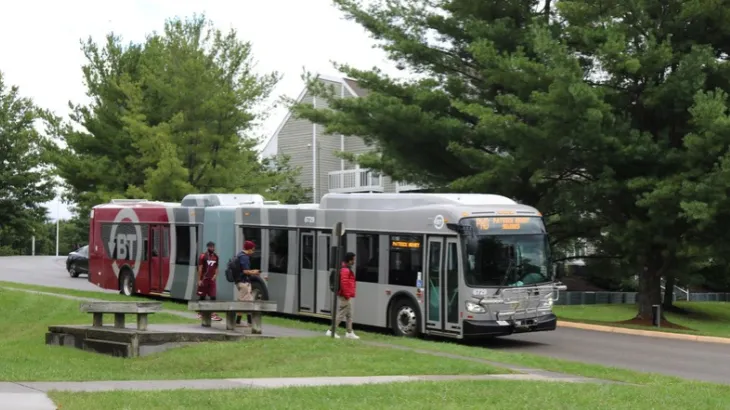
 Image credit: TAM America
Introduction
Today, we're joined by the President of a leading technology company that's pioneering wireless advancements in the transit industry, Gabriel J. Lopez-Bernal from Icomera. With a keen focus on consolidation towards innovation, this visionary leader is steering the future of passenger experience and operational efficiency.
Our interview explores critical concepts surrounding the adoption of technology by transit agencies and the strategic foresight required for modern transportation systems.
The acquisition of new rolling stock is often a celebrated event for transit agencies and operators. However, there appears to be a disparity in attention given to operational longevity versus the initial procurement. Could you elaborate on the repercussions of this oversight?
Yes, it's true that procurement often overshadows long-term operational considerations. This narrow focus can lead to increased operating and maintenance costs down the line. Agencies need to be strategic from the beginning, ensuring that the technology integrated into their fleet is sustainable for future operations.
Considering the rapid pace at which technology evolves, how can transit agencies ensure that the vehicles they procure today remain relevant and efficient in the future?
Transit agencies must change their approach by opting for flexibility in their procurement strategy. This means forming partnerships with manufacturers that allow for the integration of evolving tech over time, rather than specifying all technological aspects from the onset. It's also about investing wisely in components that will offer long-term cost efficiency.
What are some common pitfalls that transit agencies fall into during the procurement process, particularly concerning technology choices?
Often, agencies release an RFP and expect a reply that suits future needs without realizing how quickly technology can evolve. This can result in vehicles that are technologically outdated by the time they enter service. Agencies also tend to entrust manufacturers with technology decisions, which may not align with the agency's future-proofing needs.
How would you suggest transit agencies pivot their approach during procurement to better accommodate technological advancements?
Instead of merely purchasing equipment, agencies need to buy into an operation. By doing so, they're investing in the service these vehicles will provide, not just the immediate deliverability of products. They must foster a partnership mentality where both the transit operator and the manufacturer collaborate on making the most informed technological choices up until delivery.
The relationship between transit agencies, operators, and manufacturers has traditionally been viewed as buyer, middleman, and supplier. How important is a partnership approach in this context?
It's essential. When transit agencies and manufacturers work together in a partnership, they can leverage each party's expertise to make informed decisions. This cooperation can lead to the implementation of more advanced technologies, tailored to the specific needs of the operator and its passengers.
Could you provide an insight into how such a partnership might look in practice?
A partnership entails an ongoing dialogue where feedback from both sides is valued and acted upon. Throughout the design and production processes, regular updates and discussions would take place, with ample room for adjusting specifications as new technological solutions become available.
Looking towards the horizon, what emerging technologies do you believe will significantly influence the future of urban transit?
AI-driven video analytics, real-time monitoring systems, and seamless passenger connectivity are just a few technologies that will shape passenger transportation. Integrating these technologies effectively requires collaborative partnerships and future-oriented strategies.
Finally, if there's one takeaway message for transit agencies when it comes to technology adoption, what would it be?
The key message is to maintain a proactive, rather than reactive, stance on technology. By staying abreast of technological advancements and actively partnering with forward-thinking manufacturers, transit agencies can deliver exceptional service that meets the demands of an increasingly connected and mobile public.
Conclusion
It's evident that adopting a partnership-based approach to procurement not only positively affects the operational life of new vehicles but also positions transit agencies as forward-thinking leaders in this rapidly evolving mobility landscape.
Source: Icomera