CalSTA launches TIRCP Cycle 8 2026, $900 million available
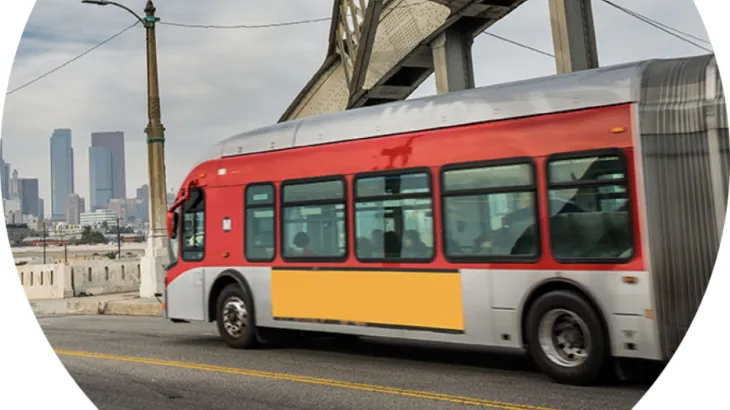 Image credit: CalSTA
The CA State Transportation Agency (CalSTA) is accepting applications for the Transit and Intercity Rail Capital Program (TIRCP). The application deadline is May 14, 2026, and the awarded is expected to be announced on September 18, 2026. The total estimated available funding is $900 million.
TIRCP was created by Senate Bill 862 and modified by Senate Bill 9 to provide grants from the Greenhouse Gas Reduction Fund (GGRF) to fund transformative capital improvements that modernize California’s intercity rail, bus (including feeder buses to intercity rail services, as well as vanpool and micro transit services that are eligible to report as public transit to the Federal Transit Administration), ferry, and rail transit systems (collectively referred to as transit services or systems inclusive of all aforementioned modes unless otherwise specified) to achieve all of the following policy objectives, as codified in Section 75220(a) of the PRC:
- Reduce emissions of greenhouse gases;
- Expand and improve transit service to increase ridership;
- Integrate the rail service of the state’s various rail operations, including integration with the high‐speed rail system;
- Improve transit safety.
Public agencies with operating or planning responsibility for existing or planned regularly scheduled intercity or commuter passenger rail service (and associated feeder bus service to intercity rail services), urban rail transit service, bus or ferry transit service (including commuter bus, vanpool, and micro transit services). Private companies may partner with eligible applicants. Geographic equity is considered within each cycle of funding, as well as with consideration given to the degree to which the geography in question has been underrepresented in past cycles.
While there is no minimum match requirement for TIRCP, funding leverage is desirable and will be considered in the evaluation of expected project benefits. In particular, emphasis will be placed on projects that leverage funding from other GGRF programs; funding from SB1 programs; and funding from other federal, state, local, regional, or private sources.
Source: CalSTA