STM unveils 2026 budget and 10-year capital program
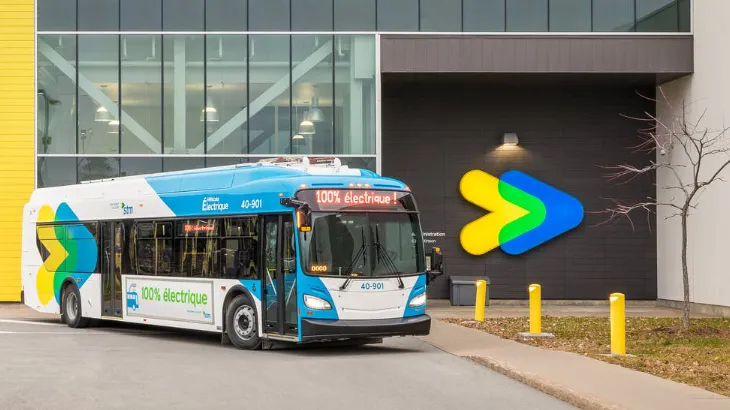 Image credit: Société de transport de Montréal
The Société de transport de Montréal (STM) has unveiled its 2026 budget, highlighting a significant commitment to maintaining service levels amid financial constraints. The budget outlines spending of $1.8 billion, alongside $56.5 million in new recurring cost reductions aimed at aligning with the financial framework while protecting service offerings.
The STM confirmed that it will keep its overall kilometre-based service offerings in 2026 at the same level as in 2025, despite the ongoing financial pressures faced by public transit systems. In addition to the budget, the agency released its capital program for 2026–2035, indicating a requirement for $24.1 billion in investments over the next decade, with $15.2 billion earmarked specifically for asset maintenance.
The STM intends to optimize its operations through several strategies, including changes to paratransit services, restrictions on hiring and overtime for support staff, and adjustments to the maintenance of metro cars.
The capital program has brought to light an urgent concern regarding asset maintenance funding, particularly for the metro system. STM board chair Aref Salem reported a significant backlog in necessary maintenance investments, with a current deficit of approximately $7 billion expected to swell to $9 billion by 2030 without intervention. This shortfall results in increased frequency of repairs in stations and delays in various projects. The shortfall in funding has also led to a gradual erosion of internal expertise and capacity.
The STM is reaching out to both the Quebec and federal governments to negotiate an agreement to secure critical transit infrastructure funding through the Building Strong Communities Fund.
Additionally, the agency is reevaluating the pace of its transition to a fully electric bus fleet. The STM believes hybrid buses serve as a reliable and practical interim solution.
Source: Société de transport de Montréal