SEPTA debuts Accelerate fleet renewal, modernization plan
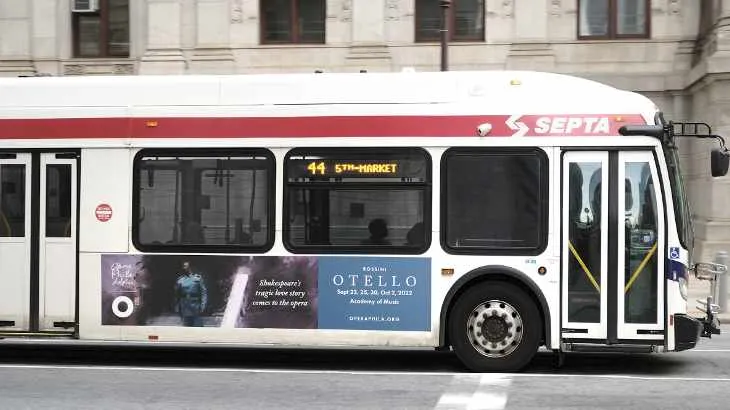 Image credit: SEPTA
The Southeastern Pennsylvania Transportation Authority (SEPTA) announced a new investment program, "Accelerate", which calls for series of investments in rolling stock over the next decade to ensure safe, reliable and accessible transit service for the Authority's 800,000 daily riders.
"After years of chronic underfunding, the moment to choose acceleration over managed decline is now," said SEPTA Board Chair Kenneth Lawrence Jr. in a press release. "We recognize that if greater investment is the key to our future success, then SEPTA must demonstrate that we are worthy investment partners. We are proud to be one of the most efficient transit systems in the country, and while there remains more work to do, the evidence demonstrates that we are good stewards of the public funding we receive."
SEPTA has planned the following investments, among others:
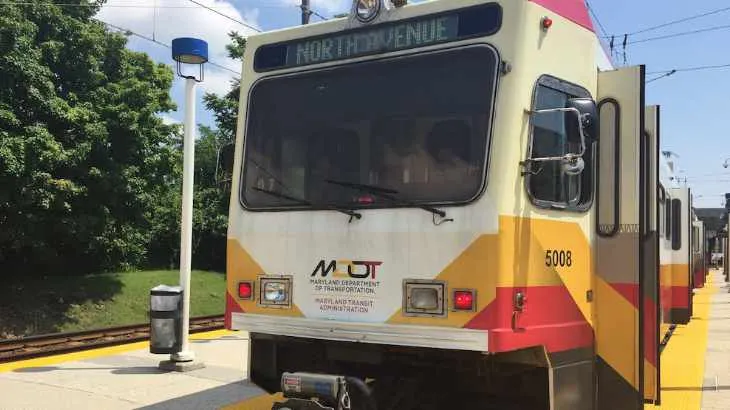
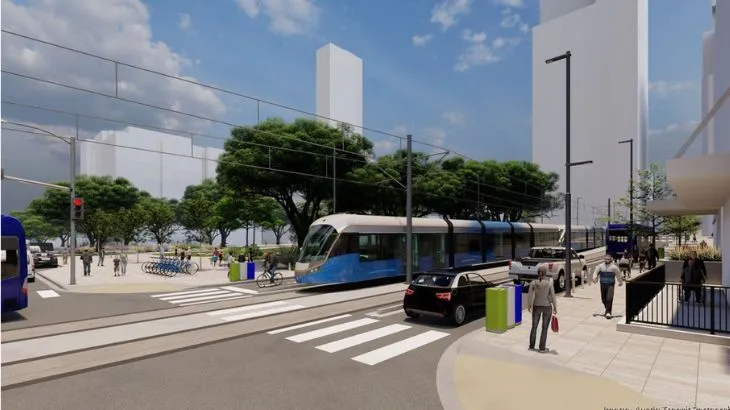
- Modernizing streetcar network through accessible stations and the purchase of 130 new low-floor trolleys;
- Purchasing 200 new subway cars for the L Line, with delivery starting in 2029;
- Purchasing new rolling stock for the B and M lines following the arrival of L Line vehicles; and
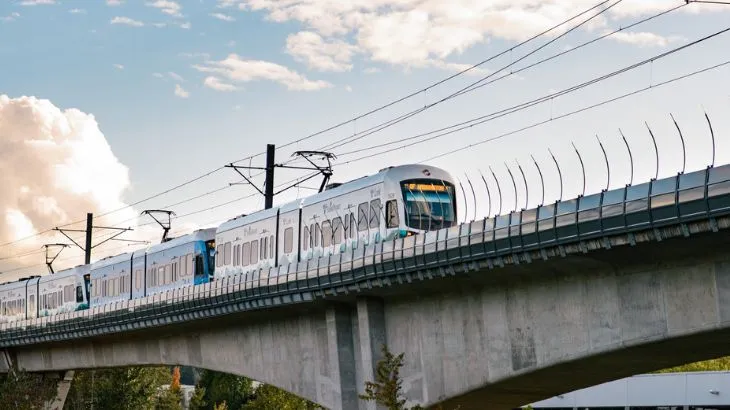
- Launching formal bid process for the acquisition of 230 new Silverliner VI Regional Rail cars.
SEPTA has unveiled the wishlist for improvements and upgrades but there is no sign of funding to make it happen. The officials at the announcement would not put a price tag on the effort to create what they call a “best-in-class vision for a Greater Philadelphia region.” The plan is a blueprint for what SEPTA could look like in the future if the transit authority got more reliable funding.
The blueprint has three main goals:
- Increase the number of people served by frequent transit within a quarter mile of their home from 900,000 covered by the system today to more than 2 million people.
- Connect nearly half of the region’s job with frequent transit, up from the current level of 25 percent.
- Make all stations accessible, up from about 60 percent currently.
To make that happen, improvements would increase the frequency of trains on Regional Rail lines to every 15 minutes, which would match those on the Broad Street Line, now known as the “B,” and the Market Frankford El, now known as the “L.” That would require more equipment to be purchased and more people hired to run the service.
The plan comes after what has been a bumpy few years for SEPTA, especially in 2025. That year, several Regional Rail trains caught on fire, there were weeks of cancellations and delays, and a lengthy state budget battle led to a fare hike, route cancellations and threats to discontinue several Regional Rail lines.
SEPTA is facing a deficit in the coming fiscal year that's likely to reach $200 million. In May, SEPTA’s board approved its latest budget, which includes a long-planned redesign of the bus network, but lack of dedicated funding has led the agency to temporary spending measures that do not give the transit agency the ability to plan over the long term.
SEPTA's latest plan could serve as a pitch to state legislators of what the agency might become without the limitations of underinvestment. Meanwhile, several system improvements are already in the works, including:
- A new trolley fleet of modern light rail vehicles set to arrive in the coming years.
- New subway cars for the Market-Frankford Line (L), coming in 2029.
- An ongoing bus system redesign.
- Regional Rail fleet replacement starting in 2030.
Source: SEPTA