King County Metro completes study on possible transit improvements for Route 60
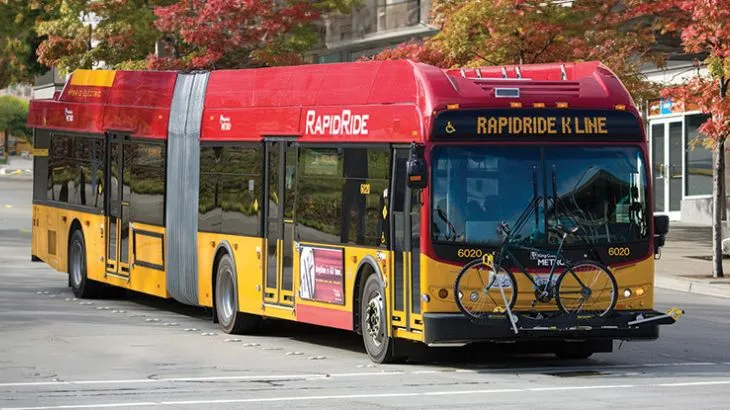 Image credit: King County Metro
King County Metro, in collaboration with the Seattle Department of Transportation, is exploring transit improvements for Route 60 to reduce bus travel times and improve reliability. Route 60 runs from Capitol Hill to White Center.
Route 60 serves an average of 6,200 riders each weekday. About 70 percent of all Route 60 buses arrive on time, performing below Metro’s on-time performance goal of at least 80 percent. This makes the route a candidate for investments to address delays and inconsistent travel times. The project team identified potential transit improvements that can provide faster, more reliable bus service.
Metro focused on four main segments along the Route 60 corridor:
- Segment 1: East Mercer Street to South Weller Street (First Hill, Capitol Hill, Chinatown-International District).
- Segment 2: South Lander Street to South Albro Place (North Beacon Hill). The portion of Route 60 between South Weller Street and South Lander Street was not included as part of this study. It was recently analyzed as part of a similar study for Route 36.
- Segment 3: Swift Avenue South to 16th Avenue South (Georgetown).
- Segment 4: East Marginal Way & 16th Avenue South (South Park, Westwood-Highland Park).
The study identified concepts that could improve transit performance while considering a wide range of impacts such as traffic, safety, business and resident access needs, and other priorities. The project team finalized the project improvements list, prepared concepts for 10% design, and developed a final report with recommendations.
Recommended improvements include:
- Bus zone modifications, including creation of in-lane stops, relocations and closures
- Transit priority treatments, including business access and transit (BAT) lanes, transit signal priority (TSP), and queue jumps
- Roadway channelization to better define travel lanes for all users and improve on-street bicycle facilities
- Intersection control changes.
The planning study recommendations will inform a future budget request for funding the design and delivery phases of this project, which are currently unfunded.
Source: King County Metro