WMATA leaders lay out $1.6B plan to add platform doors, automation to Red Line
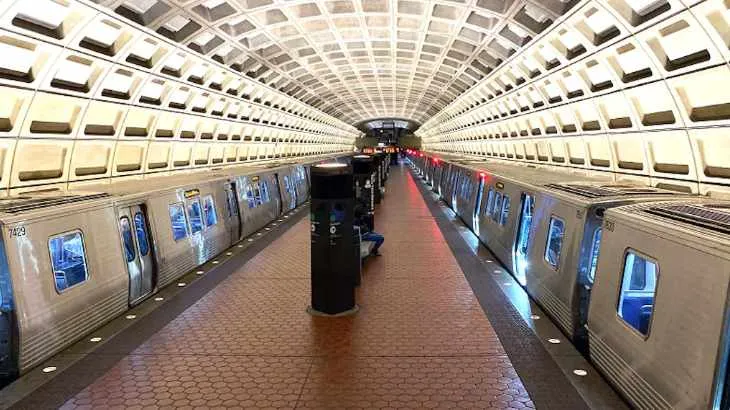 Image credit: WMATA
Under the Washington Metropolitan Area Transit Authority (WMATA, Metro) Metrorail Red Line Modernization Project, partial-height screen doors would be added to stations, standing about 5 feet 7 inches tall. The addition of screen doors would require full automation of the Red Line, so train doors line up with the platform doors every time.
Metro says these partial-height doors are the best way to retrofit the stations with reliability, safety and efficiency. Metro General Manager and CEO Randy Clarke estimates the project could cost about $1.6 billion to complete. Leaders confirmed a cost-benefit analysis for the project is underway, too. “We’re optimistic we’ll be able to do the entirety of the program, with the funds from the federal government. There’s a long way to go, and a lot of partnering that we need to do,” said Clarke.
Metro data reveals the system has seen dozens of trespassers on tracks so far this year, with ten fatalities. Earlier this week, Metro saw Red Line issues and big backups after a pipe burst and flooded a control room at Van Ness, causing signaling issues, which means they couldn’t move trains. Clarke said those signaling issues would be a thing of the past after the project is complete. “What we need to continue to focus on is upgrading our 45-year-old legacy infrastructure to make it more resilient, make it more cloud-based, more modern, and [fewer] components that we have to connect to; that means higher reliability, higher safety,” Clarke said.
One challenge in actually getting these doors installed is increasing ridership on Metrorail, which means fewer opportunities for system outages or shutdowns to complete the project.
Metro’s board talked with reps from other transit systems around the world, including the London Underground, that already have these systems in place, adding that Metro may be planning to visit to see their systems in action. “If the full program gets delivered, with signals, platform screen doors and the like, that’s a transformation for the entire agency,” said Joe McAndrew, Metro’s board chair.
Metro leaders stressed they’re in the very early stages of the project, and hoping to deliver by 2028 or 2029.
Source: WMATA