Maryland Governor advocates for Transit and Housing Opportunity Act
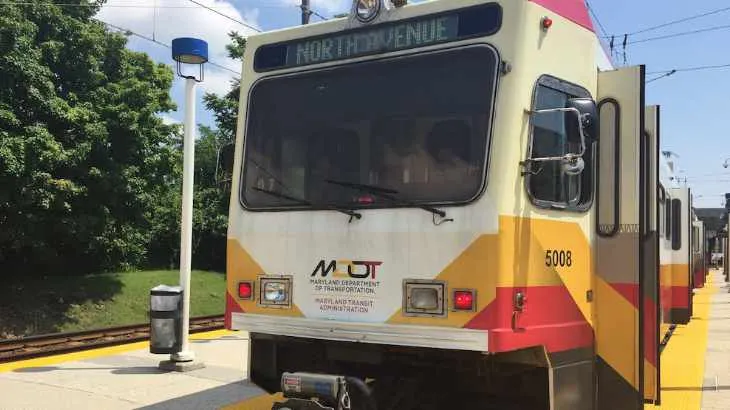 Image credit: MDOT MTA
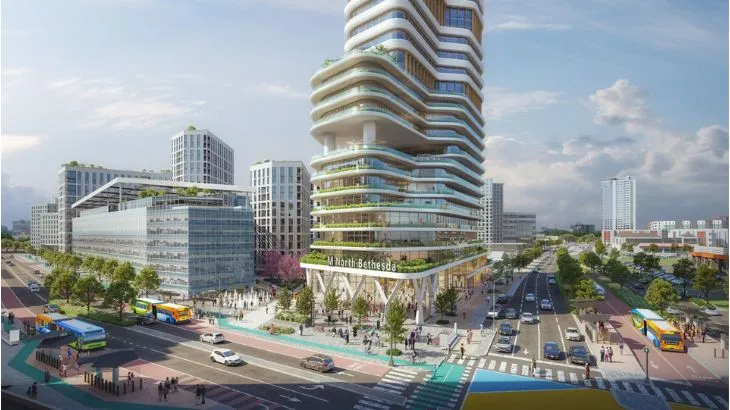
Maryland Gov. Wes Moore (D) is pushing lawmakers to turn idle state-owned land near transit into vibrant hubs, potentially adding 7,000 housing units and nearly $1.4 billion in tax revenue. The Maryland Transit and Housing Opportunity Act (Senate Bill 389 and House Bill 894) aims to remove zoning and financing barriers for housing and job creation near transit. The bill would eliminate minimum parking requirements for eligible developments, encourage mixed-use projects near major transportation stations and give the state greater authority over land near those stations.
Moore’s office projects the legislation could free more than 300 acres of state-owned land near transit, potentially generating over 7,000 new housing units and nearly $1.4 billion in tax revenue. On Feb. 17, Moore called the initiative a critical step toward easing Maryland’s housing shortage and creating jobs. “Half of all Maryland renters pay more than 30 percent of their income just to keep a roof over their head,” said Moore. “That is not only not sustainable, it is not fair.”
The governor noted a statewide shortage of roughly 96,000 housing units and said limited affordable housing is a key reason young people choose to not live in Maryland. The Maryland Municipal League (MML), while generally supportive, raised concerns about automatic Enterprise Zone tax credits and delayed developer fee collection potentially shifting costs to local governments.
Bill Jorch, MML’s managing director of Advocacy and Public Policy, stressed the importance of upfront fees. “It is to help subsidize some of the costs of the mandatory infrastructure and service improvements that come along with the development of that property,” said Jorch. “These are improvements or upgrades that normally wouldn’t happen unless that project is occurring. We are talking about roadway improvements, public safety, trash collection, storm water … there are a lot of other things that go into constructing the project that are within the public realm.” Delaying fees, Jorch said, could force municipalities to rely on property and income taxes, placing the financial risk solely on local governments if the projects failed. He added MML will continue discussions with the governor’s office to address these issues.
Source: Maryland.gov