CapMetro shelves 46 Proterra electric buses for a year, pauses for chargers
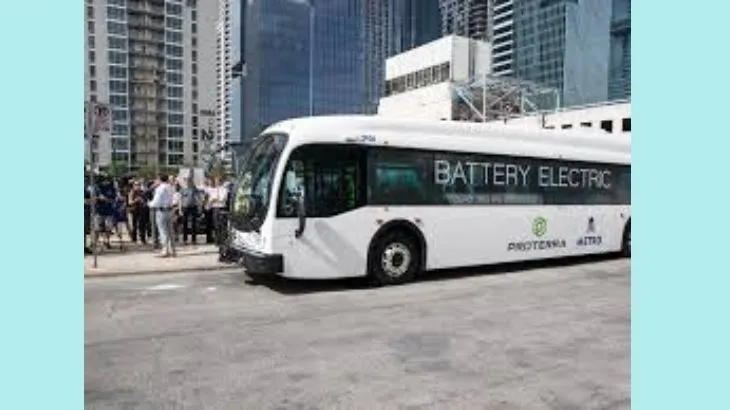 Image credit: Austin Monitor
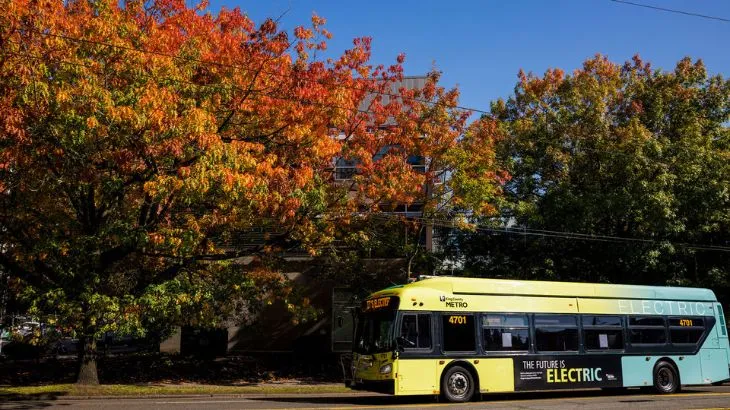
Capital Metropolitan Transportation Authority (CapMetro) has announced plans to put 46 new electric buses in storage for at least a year, the latest fallout from an electrification goal the transit agency now admits was overly ambitious. The main problem has been the slow rollout of e-bus chargers at the end of routes and other infrastructure problems.
Bankruptcy of the bus supplier Proterra has slowed the planned expansion of transit services. Phoenix Motor Inc. – the Anaheim, California, company that acquired Proterra’s bus business in a bankruptcy auction – is struggling to service warranties and address technical issues that have plagued CapMetro’s Proterra buses. Phoenix Motor has agreed to pause Capital Metro’s bus warranties during the storage period
Transit agencies across the country alleged in Proterra’s bankruptcy lawsuit that the company’s buses fail far more frequently than their diesel counterparts. Broward County, Florida, for example, claimed its first batch of Proterra buses had mechanical failures more than seven times as frequently as diesel buses, on average.
CapMetro’s other e-bus supplier, New Flyer, is providing additional services and parts. Forty of the 58 buses from New Flyer will begin serving passengers, but only for eight hours a day until more chargers are installed at the end of bus routes.
Capital Metro is committed to getting all 104 of its battery-electric buses up and running – about a quarter of the fleet – to improve transit.
The immediate delays mean a pair of planned high-frequency bus lines, part of the agency’s Project Connect vision, will launch next year with slower service and diesel buses instead of the electric vehicles promised under the voter-approved transit expansion. Both routes will run through areas east of I-35 that lack higher-frequency Rapid service. The Pleasant Valley line will establish a transit spine from Southeast to Northeast Austin. The Expo Center line will offer a 45-minute ride from far Eastern Travis County into downtown Austin with stops at key destinations.
Source: Austin Monitor